
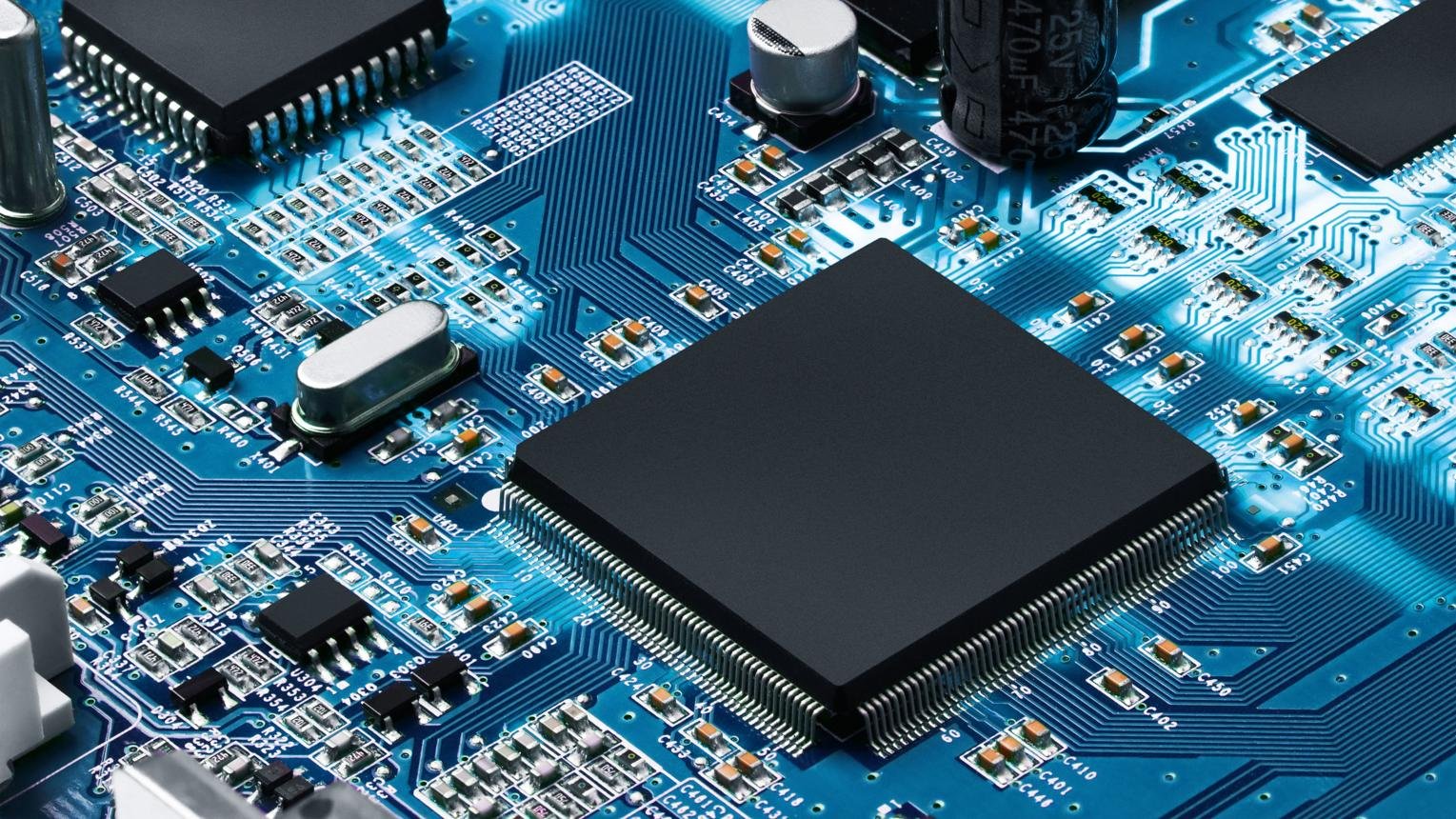
Best Semiconductor Stocks to Watch in 2026: Top 7 Chip Companies for Long-Term Investors
The semiconductor industry has become one of the most important sectors in the global economy. From artificial intelligence (AI) and smartphones to electric vehicles, cloud computing, and advanced robotics, semiconductors power many of the technologies transforming modern businesses.
In 2026, increasing demand for AI infrastructure, advanced processors, and high-performance computing is creating new opportunities for semiconductor companies. Major technology businesses are investing heavily in data centres, advanced chips, and next-generation computing systems.
According to Gartner’s August 2026 forecast, worldwide semiconductor revenue could reach approximately $1.56 trillion in 2026, driven by AI infrastructure and strong memory demand. This highlights the growing importance of semiconductor technology in the global economy.
But which semiconductor stocks should investors watch in 2026?
Here are seven semiconductor companies worth researching for their market position, business opportunities, and long-term growth potential.
1. Nvidia (NASDAQ: NVDA) – Leading AI Semiconductor Stock
Nvidia is one of the most influential companies in the semiconductor industry. Its graphics processing units (GPUs) are widely used to train and operate artificial intelligence models.
The company supplies advanced processors, networking technology, and computing systems used by major cloud providers and technology businesses.
Its CUDA software ecosystem also gives developers tools to build AI applications around Nvidia hardware, creating an important competitive advantage.
Why investors should watch Nvidia:
- Strong position in AI processors.
- Increasing demand for data-centre computing.
- Established relationships with major technology companies.
- Opportunities in robotics and autonomous technology.
However, Nvidia faces competition from AMD and custom-designed processors developed by major technology companies. High stock valuations, export restrictions, and potential reductions in AI spending are additional risks.
Investment outlook: Nvidia is one of the leading semiconductor businesses to research if you want exposure to the long-term development of artificial intelligence.
2. Taiwan Semiconductor Manufacturing Company (NYSE: TSM) – Advanced Chip Manufacturing
Taiwan Semiconductor Manufacturing Company (TSMC) is one of the world’s most important semiconductor manufacturers.
Unlike companies that primarily design chips, TSMC manufactures advanced processors for other technology businesses.
Its customers include major semiconductor designers supplying processors for AI, smartphones, computers, and automotive technology.
As demand for increasingly powerful chips grows, companies with advanced manufacturing capabilities become more important.
Why investors should watch TSMC:
- Important position in advanced chip manufacturing.
- Relationships with major semiconductor designers.
- Exposure to AI and high-performance computing.
- Opportunities from next-generation manufacturing technologies.
The major risks include geopolitical uncertainty involving Taiwan, manufacturing costs, supply-chain disruptions, and semiconductor industry cycles.
Investment outlook: TSMC provides exposure to the manufacturing infrastructure behind many of the world’s leading technology products.
3. Broadcom (NASDAQ: AVGO) – AI Networking and Custom Semiconductor Technology
Broadcom is a major semiconductor and infrastructure software company.
Its semiconductor products include networking solutions, connectivity technology, and specialised chips used in data centres and communication systems.
As AI infrastructure expands, businesses need more than powerful processors. They also require high-speed networking technology that allows large computing systems to work efficiently.
Broadcom operates in this important part of the semiconductor market.
Why investors should watch Broadcom:
- Exposure to custom AI accelerators.
- Networking products used in data centres.
- Semiconductor and infrastructure software operations.
- Opportunities from growing AI infrastructure investment.
However, customer concentration, competition, acquisition-related debt, and slowing AI spending could affect its performance.
Investment outlook: Broadcom is worth researching as a semiconductor company benefiting from the wider AI infrastructure market.
4. Advanced Micro Devices (NASDAQ: AMD) – AI Chip Competition
AMD is another important semiconductor company competing in the global processor market.
Its products include central processing units (CPUs), graphics processing units (GPUs), and specialised accelerators used in data centres and AI computing.
AMD is working to expand its position in the AI accelerator market, competing with established suppliers such as Nvidia.
Its broader computing portfolio also provides exposure to personal computers, gaming, and enterprise technology.
Why investors should watch AMD:
- Opportunities in AI accelerators.
- Established CPU and GPU technology.
- Growing data-centre computing requirements.
- Potential to gain market share.
Competition, product execution, software compatibility, and semiconductor market volatility could affect future results.
Investment outlook: AMD may interest investors seeking exposure to AI chip competition and the broader semiconductor industry.
5. ASML Holding (NASDAQ: ASML) – Essential Technology for Chip Production
ASML is a Netherlands-based technology company that manufactures advanced lithography equipment used in semiconductor production.
Its extreme ultraviolet (EUV) lithography systems are essential for producing many of the world’s most advanced semiconductor chips.
As manufacturers develop smaller and more sophisticated processors, advanced production equipment becomes increasingly important.
Why investors should watch ASML:
- Critical position in advanced semiconductor manufacturing equipment.
- Exposure to investment by major chip manufacturers.
- Advanced EUV lithography technology.
- Long-term opportunities from semiconductor innovation.
Potential risks include export restrictions, geopolitical tensions, customer investment cycles, and competition in semiconductor manufacturing equipment.
Investment outlook: ASML provides a different way to invest in the semiconductor industry by focusing on the machinery required to manufacture advanced chips.
6. Micron Technology (NASDAQ: MU) – Memory Chip Growth
Micron Technology is a major manufacturer of memory and storage products.
Its portfolio includes dynamic random-access memory (DRAM), NAND flash memory, and high-bandwidth memory (HBM).
These technologies are important for AI processors, servers, computers, and other electronic devices.
AI systems require significant amounts of fast memory to process and store information efficiently. This is increasing the importance of high-bandwidth memory in the semiconductor supply chain.
Why investors should watch Micron:
- Exposure to growing HBM demand.
- Increasing memory requirements for AI infrastructure.
- Established semiconductor manufacturing operations.
- Opportunities in data-centre and computing markets.
However, memory chips are a cyclical industry. An increase in supply can eventually reduce selling prices and profit margins.
Investment outlook: Micron is worth researching for investors seeking exposure to memory technology and the infrastructure supporting artificial intelligence.
7. Applied Materials (NASDAQ: AMAT) – Semiconductor Manufacturing Equipment
Applied Materials supplies machinery, materials engineering technology, and services used in semiconductor manufacturing.
Its equipment supports several stages of chip production, including deposition, etching, and advanced material processing.
As manufacturers invest in more advanced production technologies, companies supplying essential manufacturing equipment could benefit.
Why investors should watch Applied Materials:
- Exposure to global semiconductor factory investment.
- Equipment used in advanced chip production.
- Opportunities linked to AI and semiconductor innovation.
- Relationships with major chip manufacturers.
Risks include export restrictions, manufacturing investment cycles, competition, and changes in customer spending.
Investment outlook: Applied Materials provides exposure to the equipment and technology needed to manufacture increasingly sophisticated semiconductors.
Why Semiconductor Stocks Could Grow in 2026
Several important developments are creating opportunities across the semiconductor industry.
Artificial intelligence: AI applications require powerful processors, specialised accelerators, and advanced computing infrastructure.
High-bandwidth memory: AI systems depend on fast memory technology, increasing demand for products such as HBM.
Cloud computing: Cloud providers continue investing in data centres and computing infrastructure.
Electric vehicles: Modern vehicles require semiconductors for battery management, safety systems, navigation, and autonomous driving technology.
Advanced manufacturing: Semiconductor manufacturers need increasingly sophisticated equipment to produce advanced chips.
According to Gartner’s August 2026 forecast, memory revenue could reach approximately $837 billion in 2026, representing a major increase from 2025. This demonstrates how important memory technology has become in the expanding AI ecosystem.
Risks of Investing in Semiconductor Stocks
Despite their growth potential, semiconductor stocks carry significant investment risks.
Investors should consider high stock valuations, geopolitical tensions, export restrictions, competition, supply-chain disruptions, and the cyclical nature of chip manufacturing.
Another important concern is excessive dependence on AI spending. If major technology companies reduce their infrastructure investments, semiconductor suppliers could experience slower revenue growth.
For this reason, investors should examine company earnings, cash flow, debt, competitive advantages, and share valuations before investing.
Final Thoughts: Which Semiconductor Stocks Should Investors Watch in 2026?
The semiconductor industry is positioned at the centre of several important technological developments, particularly artificial intelligence, cloud computing, automation, and advanced electronics.
Among the seven companies discussed, Nvidia stands out for its position in AI computing, while TSMC plays an important role in advanced chip manufacturing.
Broadcom offers exposure to AI networking and custom processors, AMD provides competition in the processor market, and ASML supplies essential chip-production equipment.
Micron is worth researching for memory technology, while Applied Materials provides exposure to semiconductor manufacturing equipment.
For long-term investors, the key is to understand each company’s competitive advantages, profitability, financial position, and valuation before investing.
Rather than putting all your money into one semiconductor company, consider diversifying across different businesses and industries.
The semiconductor market has significant long-term potential, but successful investing requires patience, research, and sensible risk management.
Disclaimer: This article is for educational and informational purposes only and does not constitute financial or investment advice. Semiconductor stocks can experience significant volatility, and investors may lose some or all of their invested capital. Always conduct independent research or consult a qualified financial adviser before investing.
Frequently Asked Questions
1. Which semiconductor stock is best to watch in 2026?
Nvidia is a leading company to research because of its AI processor business. TSMC, Broadcom, ASML, AMD, and Micron also offer exposure to different parts of the semiconductor industry.
2. Are semiconductor stocks good for long-term investment?
They may offer long-term growth opportunities because chips are essential to AI, computing, communications, and many modern industries. However, the sector is cyclical and carries investment risks.
3. Is Nvidia better than AMD for semiconductor investment?
Nvidia has a well-established position in AI computing, while AMD is a significant competitor seeking to expand its market share. Investors should compare valuations, products, earnings, and future growth prospects.
4. Why is TSMC important to the semiconductor industry?
TSMC manufactures advanced processors for major technology companies, making it an important part of the global semiconductor supply chain.
5. How can beginners invest in semiconductor stocks?
Beginners can research individual semiconductor shares or diversified semiconductor ETFs. They should compare fees, holdings, valuations, and risks before investing.
6. What is the future of the semiconductor industry?
Artificial intelligence, advanced computing, memory technology, robotics, automotive electronics, and data-centre infrastructure are expected to remain important sources of semiconductor demand.

Faiz Malik is the founder of Moneydigitals, where he simplifies stock market, crypto, and global investing for beginners. His mission is to help people build wealth smartly with practical insights and real-world strategies.