
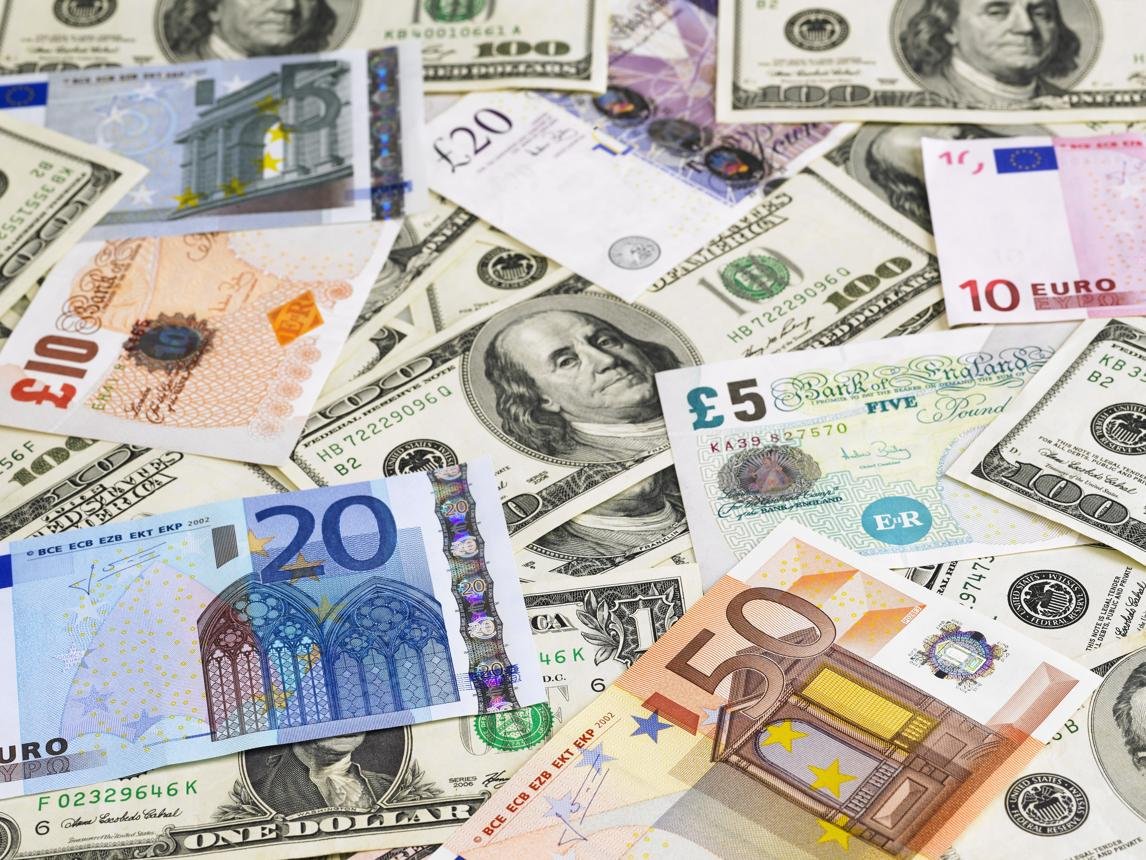
What Causes the U.S. Dollar to Be Strong? 7 Major Factors That Increase the Value of the Dollar
The United States dollar (USD) is one of the most important currencies in the global economy. It is widely used in international trade, financial markets, foreign exchange transactions, and central bank reserves. Changes in its value can influence businesses, investors, governments, and consumers around the world.
Sometimes the US dollar becomes stronger against other currencies, meaning it can purchase more foreign currency than before. During these periods, imported products may become cheaper for American consumers, while businesses exporting American goods may face greater competition in international markets.
But what causes the US dollar to become strong? Why do investors sometimes prefer holding dollars instead of other currencies?
Several economic and financial factors influence the dollar’s value, including interest rates, economic growth, inflation, global demand, political stability, and international investment flows.
This article explains seven major reasons behind a strong US dollar and how its strength affects the global economy.
1. Higher Interest Rates Attract International Investors
One of the biggest factors that can strengthen the US dollar is higher interest rates compared with those offered by other countries.
When the Federal Reserve increases interest rates, certain US investments, including government bonds and other interest-bearing assets, may become more attractive to international investors.
For example, an investor comparing US government bonds with similar investments in another country may prefer the US option when it offers a higher return, after considering currency and other risks.
To purchase US financial assets, international investors generally need US dollars. This can increase demand for the currency and contribute to its appreciation.
However, interest rates are not the only consideration. Investors also examine inflation, expected currency movements, financial stability, and investment risks.
The Federal Reserve’s monetary policy can therefore influence the dollar’s international value through its effect on financial markets and capital flows.
2. Strong Economic Growth Increases Demand for the Dollar
A strong American economy can support the value of the US dollar.
When the economy grows, businesses may expand operations, employment opportunities can increase, and consumer spending may become stronger.
International investors may become more interested in the United States because they expect opportunities to earn returns from American businesses, stocks, bonds, and other assets.
This can encourage foreign investment and increase demand for US dollars.
For example, if American technology companies report strong earnings and demonstrate promising growth opportunities, international investors may purchase more US shares.
These financial investments can create additional demand for the dollar.
However, economic growth does not automatically guarantee a stronger currency. Investors also compare the performance of the US economy with conditions in other countries.
3. Low and Stable Inflation Helps Maintain Dollar Confidence
Inflation is another important factor influencing currency strength.
When prices increase rapidly, the purchasing power of a currency can decline. Over time, higher inflation may reduce confidence in that currency if it is not properly controlled.
For example, if the prices of food, housing, transportation, and other goods increase significantly in the United States, consumers may find that their money purchases fewer products and services.
When inflation remains relatively low and stable, it can support confidence in the purchasing power of the dollar.
Investors often monitor inflation reports because they influence expectations about Federal Reserve interest rate decisions.
If inflation remains elevated, the Federal Reserve may maintain restrictive monetary policy for longer. Higher US interest rates relative to those in other economies can sometimes support the dollar.
However, currency markets also consider whether inflation is higher or lower than expected and how it compares with inflation in other countries.
4. The US Dollar Benefits from Safe-Haven Demand
The US dollar is widely considered an international safe-haven currency.
This means investors may increase their holdings of dollar-denominated assets during periods of geopolitical uncertainty, financial crises, or global economic instability.
For example, when international conflicts increase market uncertainty, investors may reduce exposure to riskier assets and move towards investments they consider more stable and liquid.
US Treasury securities often attract international demand because the US government bond market is large and highly liquid.
This creates demand for dollar-denominated assets and can support the value of the currency.
According to research from the Federal Reserve Bank of Minneapolis published in 2026, global demand for safe financial assets is an important factor explaining movements in the dollar’s exchange value.
However, safe-haven demand is not constant. Political developments, financial confidence, and changes in global investment preferences can influence how attractive US assets appear to investors.
5. The US Dollar’s Role as a Global Reserve Currency
Another major reason the dollar remains important is its position in the international financial system.
Governments, central banks, financial institutions, and multinational businesses use the US dollar for international payments, investments, trade, and foreign exchange reserves.
Many commodities, including crude oil, are also commonly priced in dollars in international markets.
This widespread use creates ongoing global demand for dollar-denominated financial assets.
The dollar also benefits from the size of the American economy and the depth of its financial markets.
According to the Federal Reserve Bank of St. Louis, the United States accounted for approximately 26% of global gross domestic product in 2024, measured in current US dollars.
The US Treasury market also provides international investors with a large supply of financial assets that can generally be bought and sold relatively easily.
The IMF’s first-quarter 2026 data showed that the US dollar represented approximately 57.13% of allocated global official foreign exchange reserves.
This demonstrates the continued importance of the dollar in international finance.
6. Strong Capital Inflows Increase Demand for US Dollars
International investment flows can have a significant influence on currency values.
When foreign investors increase their investments in American businesses, government bonds, property, and other financial assets, they generally need dollars to complete those transactions.
These capital inflows can increase demand for the currency.
For example, an international investment company purchasing shares in major US technology businesses may need to exchange its local currency for US dollars.
If many investors make similar decisions, additional demand can support dollar appreciation.
Research published by the Federal Reserve in 2022 identified foreign investment demand, relative monetary policy rates, and international savings as important factors behind dollar appreciation during the 2011–2019 period.
This shows that international capital movements are an important part of understanding currency strength.
However, capital flows can also reverse. If investors become concerned about the US economy or find better opportunities elsewhere, they may reduce their dollar investments.
7. Global Weakness in Other Currencies Can Make the Dollar Stronger
Currency values are always relative to other currencies.
This means the US dollar can strengthen even when the American economy is not performing exceptionally well.
For example, if Europe experiences economic difficulties or Japan faces monetary policy challenges, investors may prefer holding dollars instead of euros or Japanese yen.
This can increase the dollar’s value relative to those currencies.
The same principle applies to emerging-market currencies.
Political uncertainty, high inflation, weak foreign exchange reserves, and economic instability can place pressure on currencies in developing economies.
As investors seek greater financial stability, demand for US dollar assets may increase.
It is therefore important to understand that a strong dollar does not always mean the US economy is improving. Sometimes it reflects economic or financial problems in other countries.
How Does a Strong US Dollar Affect the Global Economy?
A stronger US dollar creates both advantages and disadvantages.
Benefits for American consumers: Imported products become relatively cheaper when the dollar strengthens, helping reduce the cost of foreign-made goods.
Benefits for American importers: Businesses purchasing materials, equipment, and products from other countries may benefit from lower dollar-denominated costs.
Challenges for American exporters: US-produced goods become more expensive for foreign customers, potentially reducing international competitiveness.
Challenges for developing economies: Countries and companies with dollar-denominated debt may face higher repayment costs when their local currencies weaken against the dollar.
Impact on commodities: A stronger dollar can put downward pressure on dollar-priced commodities such as gold and oil, although global demand and supply conditions also matter.
These effects demonstrate why the value of the US dollar is important to economies around the world.
Conclusion: What Makes the US Dollar Strong?
The strength of the US dollar is influenced by several connected economic and financial factors.
Higher interest rates relative to other countries can attract international investment. Strong economic performance can increase confidence in American businesses, while stable inflation can support purchasing-power confidence.
The dollar also benefits from its global reserve currency position, the size and liquidity of US financial markets, and demand for safe-haven investments during uncertain periods.
However, the dollar does not always strengthen because the US economy is performing well. Weakness in other currencies and changes in international investment flows can also influence its value.
For investors, business owners, and policymakers, understanding these factors is important because currency movements affect international trade, inflation, investment returns, and global economic activity.
Ultimately, the US dollar’s strength depends on confidence, economic fundamentals, monetary policy, and the relative attractiveness of American financial assets compared with investments in other countries.
Disclaimer: This article is for educational and informational purposes only and does not constitute financial or investment advice. Currency values fluctuate, and foreign exchange investments involve risks. Always conduct independent research before making financial decisions.
Frequently Asked Questions
1. What is the main reason the US dollar becomes strong?
Higher interest rates relative to other countries, strong demand for US financial assets, economic confidence, and international demand for dollar reserves can contribute to a stronger dollar.
2. Does a strong US dollar mean the American economy is doing well?
Not necessarily. The dollar can strengthen because investors are concerned about other economies or are seeking safe-haven assets.
3. How do interest rates affect the US dollar?
Higher US interest rates relative to foreign rates can attract international investors seeking better returns, potentially increasing demand for dollars.
4. Why is the US dollar used in international trade?
The dollar benefits from established international payment systems, deep financial markets, and its long-standing role in global trade and foreign exchange reserves.
5. Is a strong US dollar good for developing countries?
It can have both positive and negative effects. Countries importing dollar-priced products may face higher local currency costs, while businesses exporting goods to the United States may benefit from improved price competitiveness.
6. Can the US dollar become weaker?
Yes. Lower relative interest rates, high inflation, weaker investor confidence, reduced demand for US financial assets, or stronger competing economies can contribute to dollar depreciation.

Faiz Malik is the founder of Moneydigitals, where he simplifies stock market, crypto, and global investing for beginners. His mission is to help people build wealth smartly with practical insights and real-world strategies.