
- 0
- 1,828 word
What Is the 3-6-9 Rule for an Emergency Fund? How Much Money Should You Save?
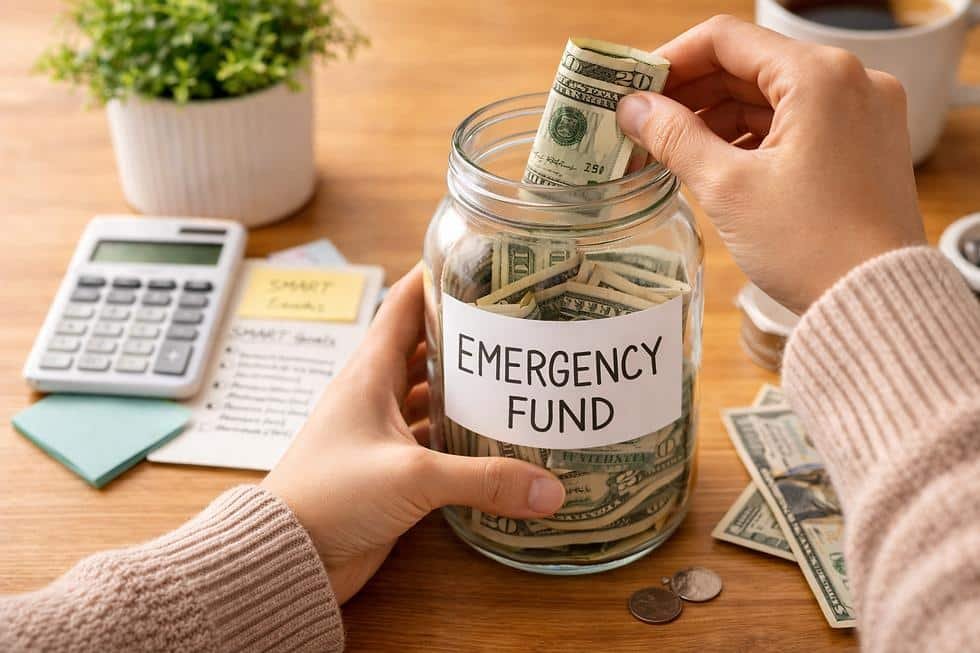
Building an emergency fund is one of the most important steps towards achieving financial security. Unexpected expenses, job losses, medical bills, home repairs, and other financial emergencies can happen at any time. Without savings, people may be forced to borrow money, use credit cards, or sell investments to cover unexpected costs.
One popular personal finance strategy for managing these situations is the 3-6-9 rule. This approach helps individuals decide how much money they should keep aside for emergencies based on their income stability, financial responsibilities, and household circumstances.
The 3-6-9 rule provides three savings targets: three months, six months, or nine months of essential living expenses.
But what exactly does this rule mean, how much money should you save, and which target is right for you?
In this article, we explain how the 3-6-9 emergency fund rule works and how you can use it to improve your financial stability.
1. What Is the 3-6-9 Rule for an Emergency Fund?
The 3-6-9 rule is a personal finance guideline that recommends saving enough money to cover three, six, or nine months of essential living expenses.
The appropriate target depends on your employment situation, income consistency, dependents, and financial obligations.
Here is how the strategy works:
3 Months of Expenses: Suitable for individuals with stable employment, predictable income, and relatively few financial responsibilities.
6 Months of Expenses: A common target for individuals and households that want additional protection against unexpected expenses or temporary income loss.
9 Months of Expenses: Suitable for people with irregular income, self-employed individuals, single-income households, or those supporting several dependents.
The purpose is to create a financial safety net that allows you to manage unexpected situations without immediately relying on loans or credit cards.
It is important to understand that the 3-6-9 rule is a general savings guideline, not a strict financial regulation. Your ideal emergency fund may be smaller or larger depending on your circumstances.
2. Understanding the Three-Month Emergency Fund
The first level of the rule is saving enough money to cover three months of essential expenses.
This option may work for people who have stable employment, predictable salaries, and relatively low financial responsibilities.
For example, imagine that your essential monthly expenses include:
- Rent: $900.
- Food and groceries: $350.
- Transportation: $150.
- Utilities: $150.
- Insurance and other essential bills: $150.
Your total monthly essential expenses would be $1,700.
To calculate a three-month emergency fund:
$1,700 × 3 = $5,100.
This means you would need approximately $5,100 to cover three months of essential living expenses.
A three-month emergency fund can provide protection against unexpected expenses or a short period without income.
However, people with unstable employment or significant financial responsibilities may need a larger savings reserve.
3. Understanding the Six-Month Emergency Fund
The second level is saving enough money to cover six months of essential expenses.
This is a common emergency savings target because it provides more protection when unexpected financial problems take longer to resolve.
A six-month emergency fund may be particularly useful for families, homeowners, people with dependents, and workers who want additional financial security.
Using the previous example, if your essential expenses are $1,700 monthly:
$1,700 × 6 = $10,200.
You would therefore need approximately $10,200 to cover six months of essential expenses.
This amount could help you manage a longer period of unemployment, unexpected medical expenses, or major household repairs.
Having six months of emergency savings can also reduce the pressure to sell long-term investments during unfavourable market conditions.
4. Understanding the Nine-Month Emergency Fund
The third level is saving enough money to cover nine months of essential expenses.
This target provides an even larger financial cushion and may be appropriate for people facing greater financial uncertainty.
For example, freelancers, business owners, contractors, and individuals working in industries with unpredictable employment may not receive regular monthly income.
A nine-month emergency fund can give these individuals more time to find new clients, secure another job, or manage temporary business difficulties.
Using the same monthly expenses of $1,700:
$1,700 × 9 = $15,300.
This means you would need approximately $15,300 to cover nine months of essential expenses.
A larger emergency fund may also be appropriate for single-income households or families supporting several dependents.
Although saving nine months of expenses may seem difficult, it can provide valuable financial protection during extended periods of uncertainty.
5. How Much Money Should You Save Under the 3-6-9 Rule?
The amount you need depends on your monthly essential expenses.
Here is an example showing how different savings targets compare.
| Monthly expenses | 3 months | 6 months | 9 months |
|---|---|---|---|
| $1,000 | $3,000 | $6,000 | $9,000 |
| $1,500 | $4,500 | $9,000 | $13,500 |
| $2,000 | $6,000 | $12,000 | $18,000 |
| $2,500 | $7,500 | $15,000 | $22,500 |
| $3,000 | $9,000 | $18,000 | $27,000 |
To calculate your emergency fund, add up your essential monthly expenses and multiply the total by three, six, or nine.
Focus on necessary expenses such as housing, groceries, utilities, transportation, insurance, minimum debt payments, and essential healthcare costs.
You do not necessarily need to include non-essential spending such as entertainment, expensive holidays, or luxury purchases.
6. Why Is Having an Emergency Fund Important?
An emergency fund provides financial protection when unexpected events affect your income or expenses.
There are several reasons why building one is important.
Protection against job loss: If you lose your employment, emergency savings can help pay essential bills while you search for another opportunity.
Unexpected medical expenses: Medical emergencies can create significant financial pressure, particularly when insurance does not cover every expense.
Home and vehicle repairs: Unexpected problems involving plumbing, electrical systems, or vehicles can require immediate spending.
Avoiding expensive debt: Having accessible savings may prevent you from relying on high-interest credit cards or personal loans.
Financial peace of mind: Knowing that money is available for emergencies can reduce financial stress and help you make more confident decisions.
An emergency fund does not prevent financial problems, but it can make them easier to manage.
7. Where Should You Keep Your Emergency Fund?
An emergency fund should be kept somewhere safe, accessible, and separate from your everyday spending money.
A high-yield savings account can be a suitable option because it may provide interest while allowing you to access your funds when needed.
Other possibilities include:
Traditional savings accounts: These provide a simple way to keep emergency money separate from everyday spending.
High-yield savings accounts: These may offer more competitive interest rates while maintaining access to your money.
Money market deposit accounts: Depending on the institution and account conditions, these can provide interest and convenient access to savings.
Avoid placing your entire emergency fund in volatile investments such as individual stocks, cryptocurrencies, or speculative assets.
The main purpose of emergency savings is financial security and liquidity, not maximising investment returns.
8. How to Build Your Emergency Fund Faster
Building an emergency fund can take time, especially when you have several financial responsibilities.
However, following a consistent savings plan can make the process more manageable.
First, create a monthly budget and calculate your essential expenses.
Second, choose a realistic savings target based on your circumstances.
Third, set up automatic transfers to move money into your emergency savings account whenever you receive income.
Fourth, reduce unnecessary spending and redirect some of the money towards your savings goal.
Finally, use additional income from bonuses, freelance work, or other sources to strengthen your emergency fund.
You do not need to reach your final target immediately. Start with a smaller amount, build consistency, and gradually increase your savings.
9. Common Emergency Fund Mistakes to Avoid
Although emergency savings are relatively simple, several mistakes can prevent people from building an effective financial safety net.
One common mistake is setting an unrealistic savings target. Trying to save nine months of expenses immediately may create unnecessary pressure.
Another mistake is using emergency savings for non-essential purchases. This reduces the protection the fund is supposed to provide.
Some people also invest their emergency money in assets that can lose value. This may force them to sell investments at a loss when an unexpected expense occurs.
Finally, remember to review your emergency fund whenever your circumstances change. Higher living expenses, additional dependents, changing employment conditions, and new financial responsibilities may require a larger reserve.
Conclusion: Is the 3-6-9 Rule a Good Emergency Savings Strategy?
The 3-6-9 rule is a useful financial planning guideline that helps individuals determine how much money they should save for unexpected expenses and temporary income loss.
People with stable employment and fewer financial responsibilities may consider a three-month emergency fund. Those with dependents or greater financial obligations may prefer six months, while people with irregular income or greater household responsibilities may benefit from nine months.
The most important thing is to choose a savings target that reflects your actual financial situation.
Start small if necessary, save consistently, and keep your emergency money in an account that allows you to access it when needed.
Ultimately, an emergency fund is not simply about accumulating money. It is about creating financial security, reducing dependence on debt, and preparing for unexpected challenges.
Disclaimer: This article is for educational and informational purposes only and does not constitute financial advice. Emergency savings requirements vary according to income, household expenses, employment stability, and personal financial circumstances.
Frequently Asked Questions
1. What is the 3-6-9 rule for emergency funds?
The 3-6-9 rule recommends saving three, six, or nine months of essential living expenses depending on your income stability, financial responsibilities, and household situation.
2. Is three months of emergency savings enough?
It may be sufficient for someone with stable employment and few financial responsibilities. However, people with dependents or irregular income may need a larger emergency fund.
3. Why should I save six months of expenses?
Six months of savings can provide additional protection against job loss, unexpected expenses, and temporary income disruptions.
4. Who should save nine months of expenses?
Freelancers, self-employed individuals, sole breadwinners, and people with several financial dependents may benefit from a larger emergency fund.
5. Should I invest my emergency fund in stocks?
Generally, no. Emergency savings should remain accessible and relatively stable. Volatile investments may lose value precisely when you need the money.
6. How can beginners start building an emergency fund?
Begin by calculating essential monthly expenses, setting a realistic savings target, creating a separate savings account, and making regular contributions.
7. What happens after I complete my emergency fund?
Once you have built an appropriate emergency reserve, you can direct additional savings towards other financial goals, such as retirement planning, debt repayment, diversified investments, and building long-term wealth.

Faiz Malik is the founder of Moneydigitals, where he simplifies stock market, crypto, and global investing for beginners. His mission is to help people build wealth smartly with practical insights and real-world strategies.
Author
moneydigitals1234@gmail.com
Related Posts

Smart Money Management Strategies for Young Investors
- 0
- 1,752 word
Smart Money Management Strategies for Young Investors: How to Build Wealth and Secure Your Financial Future Managing money wisely is one of...
Read out all
How Stablecoins Are Changing the Future of Payments
- 0
- 1,860 word
How Stablecoins Are Changing the Future of Payments: Transforming Global Finance in 2026 The global payment industry is experiencing a major transformation...
Read out all
Is a digital bank better than a traditional bank?
- 0
- 1,765 word
Is a Digital Bank Better Than a Traditional Bank? Understanding the Differences in 2026 Banking has changed significantly over the last decade....
Read out all
What is the $27.40 rule?
- 0
- 1,570 word
What Is the $27.40 Rule? How to Save $10,000 in One Year Saving money is one of the most important habits for...
Read out all
Top Emerging Industries for Entrepreneurs in 2026
- 0
- 1,783 word
How Geopolitical Tensions Affect Global Oil Prices: Understanding the Impact of Wars, Conflicts, and Political Uncertainty Oil is one of the most...
Read out allHow Geopolitical Tensions Affect Global Oil Prices
- 0
- 1,783 word
How Geopolitical Tensions Affect Global Oil Prices: Understanding the Impact of Wars, Conflicts, and Political Uncertainty Oil is one of the most...
Read out all