
- 0
- 1,765 word
Is a Digital Bank Better Than a Traditional Bank? Understanding the Differences in 2026
Banking has changed significantly over the last decade. Traditional banks that once required customers to visit physical branches are now competing with digital banks that allow people to manage their finances through mobile applications and websites.
In 2026, digital banking is becoming increasingly popular because customers want convenient financial services, faster transactions, lower fees, and easy access to their money. However, traditional banks continue to attract customers who prefer face-to-face assistance, physical branches, and a wider range of banking services.
But which option is better: a digital bank or a traditional bank?
Both offer important advantages and disadvantages. The right choice depends on your financial needs, lifestyle, security preferences, and the banking services you require.
In this article, we explore the differences between digital and traditional banks, their benefits, potential risks, and which option may be more suitable for different customers.
1. What Is a Digital Bank?
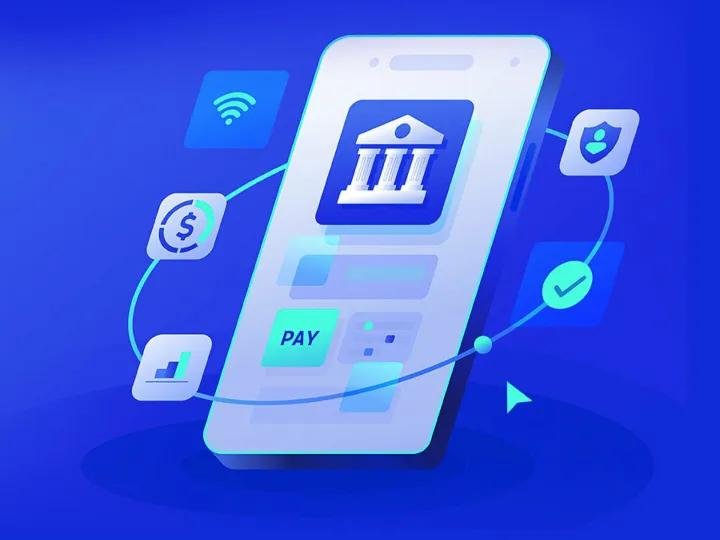
A digital bank is a financial institution that provides banking services primarily through digital platforms such as mobile applications and websites.
Unlike traditional banks, digital-only banks generally do not operate physical branches where customers can visit tellers or speak to employees face-to-face.
Customers can perform many banking activities using their smartphones or computers, including opening accounts, transferring money, checking balances, paying bills, and managing savings.
Some digital banking providers also offer debit cards, loans, budgeting tools, and other financial services.
Popular examples in the United States include Ally Bank, Capital One 360, and SoFi Bank.
One major attraction of digital banking is convenience. Customers can access their accounts without travelling to a physical branch or waiting in long queues.
2. What Is a Traditional Bank?
A traditional bank is a financial institution that provides banking services through physical branches, although most modern traditional banks also offer online and mobile banking.
Customers can visit branches to deposit money, withdraw cash, discuss loans, receive financial assistance, and complete other banking activities.
Traditional banks generally offer a broad range of services, including checking accounts, savings accounts, credit cards, personal loans, mortgages, business banking, and investment-related services.
Examples in the United States include JPMorgan Chase, Bank of America, and Wells Fargo.
One of the biggest advantages of traditional banking is the availability of in-person customer service.
Customers who need assistance with complicated financial transactions may appreciate being able to speak directly with a bank employee.
3. Digital Banks vs Traditional Banks: Key Differences
Although both banking models provide similar basic services, they differ in how customers access and manage their money.
| Feature | Digital Banks | Traditional Banks |
|---|---|---|
| Account access | Mobile apps and websites | Branches, apps, and websites |
| Physical branches | Usually unavailable | Available |
| Account opening | Often completed online | Online or in person |
| Customer support | Online, phone, or chat | Online, phone, and branches |
| Banking fees | Often lower, depending on account | Varies by bank and account |
| Cash services | May be limited | Usually broader access |
| Technology | Often digital-first | Varies by institution |
| Personal assistance | Remote support | Face-to-face assistance available |
Neither banking model is automatically better. Customers should compare individual institutions because fees, services, security protections, and account features vary considerably.
4. Advantages of Digital Banking
Digital banking offers several benefits that make it attractive to modern customers.
Convenience: Customers can access banking services from almost anywhere using a smartphone or computer.
Faster everyday transactions: Many digital banking services allow customers to transfer money, review transactions, and pay bills without visiting a branch.
Potentially lower fees: Digital-only institutions may have lower operating costs because they do not maintain extensive branch networks. Some pass these savings to customers through reduced fees.
Easy account management: Mobile applications often provide transaction notifications, spending summaries, budgeting tools, and account management features.
Competitive savings rates: Some online banks offer attractive savings account interest rates, although rates and conditions change over time.
For people who are comfortable managing their finances online, digital banking can provide a convenient alternative to traditional banking.
5. Disadvantages of Digital Banking
Despite its advantages, digital banking also has certain limitations.
No physical branches: Customers cannot visit a local branch when they need face-to-face assistance.
Limited cash services: Some digital-only banks do not accept direct cash deposits, which may create difficulties for customers who regularly handle cash.
Technology dependence: Customers need access to a suitable device and reliable internet connection.
Technical problems: Application failures, maintenance periods, and service interruptions can temporarily affect access to banking services.
Online security risks: Digital banking customers must protect their passwords, devices, and personal information against phishing, identity theft, and other cyber threats.
Customers should therefore select reputable providers with strong security systems and reliable customer support.
6. Advantages of Traditional Banking
Traditional banks remain important because they provide services that may be difficult to obtain through digital-only institutions.
Physical branches: Customers can visit bank locations to deposit cash, discuss financial problems, and receive assistance.
Personal customer service: Face-to-face communication can be helpful when dealing with complicated transactions or financial decisions.
Cash management: Traditional banks generally provide broader access to cash deposits and withdrawals.
Multiple financial services: Many established banks offer checking accounts, savings accounts, mortgages, credit cards, business loans, and other financial products.
Established banking relationships: Customers may benefit from having access to staff who can help them understand financial products and services.
These advantages make traditional banks useful for individuals and businesses that value personal assistance.
7. Disadvantages of Traditional Banking
Traditional banking also has limitations that customers should consider.
Branch operating hours: Physical branches usually operate according to specific schedules, meaning customers cannot visit whenever they choose.
Potentially higher fees: Some traditional banking accounts charge monthly maintenance fees, minimum balance requirements, or other service charges.
Longer service processes: Certain transactions may require paperwork, appointments, or visits to a branch.
Additional operating costs: Maintaining physical locations and large staffing networks can increase operating expenses.
However, many traditional banks have invested heavily in mobile applications and online services to improve customer convenience.
8. Are Digital Banks as Safe as Traditional Banks?
Security is one of the most important factors to consider when selecting a bank.
Both digital and traditional banks can provide strong financial protections, but customers should verify that the institution is properly regulated and that eligible deposits are covered by the relevant deposit insurance scheme.
In the United States, deposits held directly at an FDIC-insured bank are generally protected up to $250,000 per depositor, per insured bank, per ownership category.
This protection applies regardless of whether the insured bank operates physical branches or exists primarily online. The FDIC also explains that stocks, bonds, and cryptocurrency are not covered by ordinary deposit insurance. <Cite refs={[“turn123577search1″,”turn123577search7”]}/>
An important distinction is that some financial technology companies are not banks themselves. They may provide banking applications while partnering with licensed banks to hold customer deposits.
In these situations, customers should carefully understand how their money is held and whether deposit insurance applies to their particular account arrangement. <Cite refs={[“turn123577search2″,”turn123577search5”]}/>
Customers should also use strong passwords, multifactor authentication, secure devices, and transaction alerts to protect their accounts.
9. Which Is Better for Businesses?
Both digital and traditional banks can support business financial activities.
Digital banking may be attractive to online businesses, freelancers, startups, and entrepreneurs who regularly receive electronic payments and prefer managing accounts remotely.
Traditional banks may be more suitable for businesses that deposit substantial amounts of cash, require in-person support, or need specialised lending and relationship banking services.
For example, an online store may prefer digital banking because most customer transactions take place electronically.
A retail business with a physical location and frequent cash deposits may benefit from maintaining an account at a traditional bank.
The best choice depends on the company’s operations, payment requirements, financing needs, and transaction volume.
10. Final Verdict: Is a Digital Bank Better Than a Traditional Bank?
Digital banks and traditional banks offer different advantages, and neither option is the best for every customer.
Digital banks may be more convenient for people who prefer mobile banking, electronic payments, and online account management. They may also offer competitive savings products and lower fees.
Traditional banks provide physical branches, cash services, and personal assistance, making them useful for customers who prefer face-to-face banking.
For many people, using both types of banks can be a practical solution. A traditional bank account can provide branch access, while a digital bank account can offer convenient everyday services and additional savings options.
Before choosing a bank, compare its fees, interest rates, security protections, customer support, ATM access, and available financial products.
Ultimately, the best bank is the one that safely and conveniently meets your financial needs.
Disclaimer: This article is for educational and informational purposes only and does not constitute financial advice. Banking products, fees, interest rates, and deposit protection arrangements vary by institution and country. Always review the bank’s terms and regulatory status before opening an account.
Frequently Asked Questions
1. Is a digital bank better than a traditional bank?
Digital banks can offer greater convenience and potentially lower fees, while traditional banks provide physical branches and face-to-face customer service. The better option depends on individual needs.
2. Are digital banks safe for saving money?
Digital banks can be safe when they are properly licensed and eligible customer deposits are protected by the relevant deposit insurance scheme. Always verify the institution and account arrangement.
3. Do digital banks charge monthly fees?
Some digital banks offer accounts without monthly maintenance fees. However, other charges may apply, including ATM, overdraft, withdrawal, or transaction fees.
4. Can I deposit cash into a digital bank?
Some digital banks support cash deposits through participating retail locations or ATM networks, while others do not accept cash deposits. Check the provider’s available services.
5. Can I use a digital bank for business transactions?
Yes. Many digital banking providers offer business accounts, electronic payments, transaction monitoring, and other services designed for businesses.
6. Should I have both a digital bank and a traditional bank account?
Yes, maintaining both can provide flexibility. You can use a traditional bank for branch services and a digital bank for convenient online transactions or savings.

Faiz Malik is the founder of Moneydigitals, where he simplifies stock market, crypto, and global investing for beginners. His mission is to help people build wealth smartly with practical insights and real-world strategies.
Author
moneydigitals1234@gmail.com
Related Posts

Smart Money Management Strategies for Young Investors
- 0
- 1,752 word
Smart Money Management Strategies for Young Investors: How to Build Wealth and Secure Your Financial Future Managing money wisely is one of...
Read out all
What is the 3 6 9 rule for emergency fund?
- 0
- 1,828 word
What Is the 3-6-9 Rule for an Emergency Fund? How Much Money Should You Save? Building an emergency fund is one of...
Read out all
How Stablecoins Are Changing the Future of Payments
- 0
- 1,860 word
How Stablecoins Are Changing the Future of Payments: Transforming Global Finance in 2026 The global payment industry is experiencing a major transformation...
Read out all
What is the $27.40 rule?
- 0
- 1,570 word
What Is the $27.40 Rule? How to Save $10,000 in One Year Saving money is one of the most important habits for...
Read out all
Top Emerging Industries for Entrepreneurs in 2026
- 0
- 1,783 word
How Geopolitical Tensions Affect Global Oil Prices: Understanding the Impact of Wars, Conflicts, and Political Uncertainty Oil is one of the most...
Read out allHow Geopolitical Tensions Affect Global Oil Prices
- 0
- 1,783 word
How Geopolitical Tensions Affect Global Oil Prices: Understanding the Impact of Wars, Conflicts, and Political Uncertainty Oil is one of the most...
Read out all